

How to Travel Vietnam on a Budget

Vietnam is not an expensive place to visit. In fact, it’s a dream come true for budget travellers who are looking to get the most out of their hard-earned dollars. But despite it being a cheap country to visit, it’s important that you come prepared, especially if you’re planning to stay longer. If you’re not prepared, you could end up spending way beyond your travel budget. So here are some tips on how to travel Vietnam on a budget.
Explore the City on a Motorbike
If you are going to visit some of the major cities of Vietnam, such as Hanoi and Ho Chi Minh, one way to save on your travel budget is to rent a motorbike! Dubbed as the motorbike country, you’ll find millions of motorbikes running around the streets of Vietnam every single day. And since there are so many motorbikes, you should be able to rent one at a very cheap price.
If you’re staying for several months, consider buying a secondhand motorbike that costs less than $400 only, which you can resell when the time comes that you will leave the country. Driving on a motorbike will surely save you a lot on your daily transportation costs.
However, you must have a valid International Driving License to rent one, or you’ll be slap with a hefty fine if you get caught driving without a license. Furthermore, the roads in Vietnam have many potholes so you have to be careful when driving. Above all, make sure you get a good helmet and secure reliable travel insurance.
Stay in a Budget Hotel
There are plenty of cheap accommodation options in Vietnam. After all, it’s a haven for backpackers and budget travelers. But in order to save a good amount of money for your Vietnam accommodation, it’s a good idea to book your hotel as early as possible. Keep an eye out for deals, especially for long-term stays. If you will simply show up at the hotel’s door upon your arrival, they will assume that you are in desperate need of a bed and have no other options, so they will quote you a higher rate.
The cheapest options for an accommodation in Vietnam are backpacker hostels where you get to sleep in bunk beds and share the entire room with several other travellers. While this might seem like a great way to meet new friends and exchange travel tales with fellow travelers, you will not have your own privacy and personal space.
Another great option for an affordable accommodation in Vietnam is staying at a local homestay. This is usually cheaper and you may be able to live with a local family, which is a great way to learn more about the local culture. If you’re lucky, your host might even show you around the city for free!
Eat at Street Foods
You can save a significant amount of money on food in Vietnam if you will choose to eat at street foods and local restaurants. If you take time to explore the busy streets of Ho Chi Minh or Hanoi, you should be able to find plenty of food stalls selling local meals for less than a dollar.
Try to avoid eating at places that cater to tourists, since the prices here are understandably expensive. Vietnam has lots of delicious local foods, such as the piping hot bowl of Pho, Vietnamese rolls, Banh mi, and other tasty treats that are very affordable.
If you’re staying at an apartment that has a functional kitchen, you can shop at the local markets for fresh produce and cook your own food! Like most Southeast Asian countries, fruits and vegetables are in abundance in Vietnam and you can buy them at very cheap prices.
Amazing Places to See In Vietnam

Vietnam is definitely one of the most spectacular travel destinations in Asia. With scenic mountain views, stunning rivers and seas, not to mention delicious food and coffee, it’s no wonder why Vietnam is one of the most visited countries in the Asian region.
There are so many things to see in Vietnam, but if your time in the country is limited, here’s a list of some of the most amazing places that you should not miss.
Mekong Delta
If you do a search of Vietnam online, images of colorful floating markets and rice paddies will surely come up. You’ll be able to view these scenes in the Mekong Delta, located in the southwestern part of Vietnam. The Mekong Delta is Vietnam’s architectural region and its soil has been made fertile by the long maze of streams flowing through the Mekong River.
Sapa
Surrounded by picturesque mountains and rice fields, Sapa is a charming sleepy town in the northwestern region of Vietnam that is a great base for trekking, as this is where the Hoang Lien Son Mountains is located. Aside from trekking, visitors would come to Sapa to explore the beautiful rice paddies, remote villages, and stunning waterfalls.
Hanoi
Hanoi is Vietnam’s capital city and a must-visit when you’re traveling to the country. A trip to this fascinating city offers a blend of adventure and mystery. It’s dotted with numerous museums and countless colonial buildings featuring an interesting combination of Western and Eastern influences. From the scenic-tree lined boulevards to quaint coffee shops serving mouthwatering Vietnamese coffee, Hanoi should be on top of your list of places to see in Vietnam.
Ha Long Bay
Ha Long Bay is another picturesque destination in Vietnam, famous for its cluster of limestone surrounded by a massive body of aqua green water. Located 80 miles east of the city of Hanoi, this beautiful destination has more than 2,000 jungle-covered islands that were naturally sculptured for centuries and have been transformed into fantastic formations that they are now.
Ho Chi Minh City
The city of Ho Chi Minh is another popular destination in Vietnam. Located along the Saigon River and in close proximity to the Mekong Delta in the southern part of Vietnam, Ho Chi Minh serves as the capital of South Vietnam during the Vietnam War. Nowadays, Ho Chi Minh is the largest city in the country, offering numerous historic and modern attractions, ideal for all kinds of travelers.
Dalat
Dalat is one of those places in Vietnam that enjoys cool weather all year round. Surrounded by idyllic scenery of lush pine trees, misty valleys and colorful flower plantations, Dalat is definitely one of the most beautiful places to see in Vietnam. Dotted by colonial buildings and villas featuring French colonial architecture, strolling through this charming city is truly a feast for the eyes.
Hoi An
Hoi An is another beautiful old city that is one of Vietnam’s most popular destination. The city was established 2,000 years ago during the Champa Kingdom and several ancient buildings can still be found scattered all over the city today. At the heart of Hoi An is the Old Town, which is lined with traditional wooden houses and various local shops selling custom-made clothing and souvenir items.
How to Spend Two Days in Da Lat
Set in Vietnam’s southern central highlands, Da Lat is a beautiful mountain town surrounded by rolling landscapes, waterfalls and forests. Known for its coffee, flowers and cool climate, Da Lat is a popular destination, allowing visitors to escape the heat. Originally built by the French as a resort town in the early 1900s, much of the French colonial architecture can be seen throughout the town.
Even if you’re strapped for time, it would be a shame to miss out on the culture and adventure Da Lat has to offer. There’s plenty of ways to see Da Lat, either rent a motorbike and start exploring or book an Easy Rider tour and let someone else do all the driving whilst you soak up the views. If you have 48 hours to spend in Da Lat, here’s how you should spend it.
Day One
Morning : Rooftop Breakfast, Cable Car to Truc Lam Pagoda and Tuyen Lam Lake
Start your day off right with a hearty breakfast overlooking the town. Da Lat Backpackers Hostel offers a free breakfast on the balcony with accommodation. Lap up a tasty breakfast followed by a Vietnamese coffee and head out for the day.
Catch the cable car from Robin Hill and take in panoramic views of the mountains as you head up to experience Vietnam’s largest zen monastery and visit Truc Lam Pagoda. The cable car journey itself is fantastic and a brilliant way to see Da Lat. Spend your morning exploring the monastery before heading down the steps to see Tuyen Lam Lake. Also known as “Paradise Lake”, the man-made reservoir is a great place to relax and unwind.
Afternoon: Lunch and Elephant Waterfalls
After a busy morning exploring the countryside, grab some lunch to keep your energy up. There are a number of restaurants throughout the town ranging from budget-friendly local eateries to expensive dine-in options. The elephant waterfalls can be found around 28km from Da Lat city centre and can be reached easily by motorbike or tour. The waterfalls are allegedly named after a large rock that resembled an elephant. The admission cost is 10,000 VND. Da Lat is surrounded by waterfalls, if you have time be sure to visit Datanla Waterfalls and Pongour Falls as well.
Evening: Night Market and The Maze Bar
After the sun sets you can stroll through Da Lat’s night market. Based in the city centre the market sells delicious food, souvenirs and clothes. A charming market to explore at night before heading out for drinks. If you like to drink at quirky and unique places then the Maze Bar is for you. Prepare to get lost in the winding corridors and crannies, the bar also known as the 100 Roofs Bar provides a surreal drinking experience.
Day Two
Morning : Coffee Plantation Visit
Trai Ham Da Lat Weasel Coffee farm is the town’s first organic coffee farm and is open to visitors. Spend the morning learning everything you need to know about weasel coffee and try out some blends. Weasel coffee is popular throughout Vietnam but Da Lat is known for it. If you’re a big coffee drinker then this excursion is definitely for you.
Afternoon : Crazy House, Da Lat Railway Station and Vintage Train Ride
The Crazy House, officially called Hang Nga Guesthouse & Art Gallery, is a unique and bizarre structure in Da Lat. Designed by Dang Viet Nga, the house is a labyrinth of twisting and turning corridors and staircases. This is a completely different experience and wonder of architecture. You can either stay in one of the rooms or visit for the day at a cost of 20,000 VND. Next, head to the Da Lat railway station, a beautiful building with large colourful windows and a functioning Japanese steam train. Explore Da Lat’s countryside by taking the train to Trai Mat Village for just 106,000 VND.
Evening : The Escape Bar
After two days of exploring, head to the Escape bar for some cocktails and entertainment. A great choice for live music with regular outstanding performances, expect to hear covers from Hendrix and The Eagles amongst other greats.
Whether it’s a romantic getaway for two or a stop along the way, start planning your trip to Da Lat. Before travelling anywhere always double check the visa requirements. When travelling to Vietnam, the requirements can be different depending on your country of origin, this can make it tricky to navigate. Here’s where Visa-Vietnam.Org can step in, they take out the hassle of arranging a visa for you. The easy-to-use service has clear step-by-step instructions and fees, simply fill out the form and they’ll do the rest for you. Let Visa-Vietnam.Org take care of your Vietnam visa so you can focus on the fun part, planning your Vietnam adventure.
A Night of Laughs: Vietnamese Comedy

The first thing you think of when you think of Vietnam might not be stand up comedy.
But here and across South East Asia there is a burgeoning scene of expats, locals and international headliners coming to the region to audiences starved of a type of entertainment that hasn’t truly taken hold of in this part of the world. We are going to look at the comedy scene in Vietnam, so if your a fan of laughing read on and find out what is happening in the country today.
So when it comes to comedy in Vietnam you have look at the two main cities. Hanoi and Ho Chi Minh. Both have a thriving scene with nights for international headliners and nights for new acts called “open mic” nights. Don’t be put off by the idea of new acts some of these people will be great comics in their own right and you can often see them in a more relaxed and cheaper environment for much less! Stand-Up Comedy is performed almost always in English which is great for the expat or the tourist passing through.
So let us look at the two cities and see what they have to offer.
The North
The biggest promoter in Hanoi has to be Stand Up Hanoi. Who host regular monthly shows, both inviting international comics to perform in Hanoi & featuring the local Hanoi stand-up comedy scene. All the gigs take place in the Standing Bar(170 Trấn Vũ, Trúc Bạch). Which is a great spot for a drink when you are in Hanoi anyway, I can’t recommend the place enough it has the biggest craft beer selection in all of Hanoi. The caliber of the act that comes through here is absolutely astonishing, recently hosting Tom Rhodes from the US and Yina Gashere from the UK!
New acts and up and coming comedians can be found at regular nights under the “Brown and Yellow” banner. Hosted by Minkus Nguyen of course from Vietnam and a regular performer in Hanoi and Soham Dave two very funny gentleman. The room is a beautiful space in the heart of the city at the Mojito Bar. (19 Nguyen Quang Bich) If you are a traveling comedian or just want to give comedy a try give them a message and give it a shot. Shows are once a month so check the dates on their Facebook and get laughing!
The South
Now to HCMC where the comedy scene is absolutely thriving. Whether you are an audience member or a performing there are many more venues in HCMC.
The Heart of Darkness bar (31D LY Tu Trong, D1) Is one of the homes of Saigon Comedy, located in D1 the heart of the city and a great venue to watch comedy. Serving craft beer from all over the world it hosts a weekly and relaxed open mic night for the city’s performers.
The Yoko Bar(22A Nguyen Thi Dieu, D3) has some of the best comedy bills in Vietnam. With its large seating area and classy venue, it attracts some of the biggest crowds and best comedians from the local and international scenes. Shows are on a monthly basis so check there Facebook regularly to see whats going on.
Comedy Saigon is the biggest promoter in the city with gigs all over the city so it is worth keeping up with their social media. Recently Doug Stanhope came through as part of a tour of South East Asia and Australia. Any comedy fan can tell you to see Doug Stanhope in a city such as Saigon is not something to be missed!
So when you are in Vietnam living or passing through don’t just do the usual tourist stuff experience some great live entertainment in a burgeoning artform in this part of the world. It’s exciting, watching local Vietnamese performers create a scene and world-class headliners from all around the world get loose in a theatre in Saigon! Everyone loves to laugh to get out to a show!
Visa information
Depending on how and why you are traveling to Vietnam, whether it is your sole destination or as part of a larger trip across many countries, there are many different visa options for you depending on your particular circumstance. But don’t fret! Here at visa-vietnam.org, we are here to help you navigate the process, making it as stress-free as possible so all you have to do is arrive and get eating!
Ultimate Vietnam Travel: Ten Tips for Backpacking Vietnam

An extremely popular backpacking destination but unlike its very touristy neighbour, Thailand, it still has that untouched feel. Known for its varying landscapes ranging from rolling mountains in the north to rivers, beaches and bustling cities. Its natural beauty, culture and history mean Vietnam is only bound to get even more popular as a backpacking hotspot. The dynamic country offers visitors an intense glimpse at Vietnamese life from ethnic minorities in tribal villages in Sapa to cities full of skyscrapers. Be prepared to try incredible food, meet fellow travellers and stay at very backpacker-friendly hostels with rates to match.
1. Enjoy the Food
It seems like an obvious one but it’s so easy to be drawn towards the ‘safe’ option whilst travelling but Vietnamese food is truly delicious. Street food is extremely cheap, it would be a shame not to try it. As well as street food, there are plenty of local restaurants as well as more expensive establishments, depending on what you would rather experience.
2. When to go?
If you plan on travelling the whole country, it can be difficult to decide when to go. The best time to go to Vietnam is during Spring (February to April) or Autumn (August to October), the temperature is moderate and rainfall lighter. Having said that, Vietnam can be visited at any time of the year but for optimum weather, these are the best times to go.
3. Drink Up
Vietnam is hot which means it’s so important to stay hydrated. Always keep bottled water on you or pick one up as you go. It’s so cheap to buy and is available in different sizes. Whether you’re doing activities or not, the heat can get to you very quickly.
4. Travel by Train
Combine your travel and accommodation by taking a train during your journey. As well as the main route between Ho Chi Minh City and Hanoi, there are links with other parts of northern Vietnam. Travel, sleep and get fantastic views on the way. Prices differ depending on the train and type of carriage you require, with faster trains being more expensive.
5. Always Ask ‘How Much?’
Prices always seem to be changing in Vietnam so be sure to ask how much something is ahead of buying it. Agree on a price before you reach for your wallet then you won’t be disappointed. It’s very easy to get taken advantage of whilst travelling through a foreign country and even though something may be cheap, it could be a lot more expensive than it’s meant to be.
6. Learn to Barter
This is vital whilst travelling through Vietnam. Bartering is a part of everyday life, whether you’re buying fruit at a market or looking for souvenirs. It’s definitely a skill that needs to be worked on but once you get the hang of it, it can be really fun.
7. Rent a Motorbike
Seeing the country by motorbike is a very popular method of transport in Vietnam. However, it’s important to be very careful as the roads can be dangerous and busy. Navigating the road, other drivers and pedestrians can be difficult. It’s possible to rent motorbikes in most cities so you can explore the area without having to commit to buying a motorbike. The Hai Van Pass, the route connecting Da Nang and Hue is particularly beautiful and very calming.
8. Learn Some Vietnamese
Vietnamese is a difficult language to grasp but it’s common courtesy to try and learn some conversational basics. Be sure to learn hello and thank you before heading to Vietnam, anything else you learn along the way is a bonus.
9. Pay Close Attention to Your Money
The currency in Vietnam is Dong and notes go into the millions. The notes can look quite similar so be careful when paying for items and check the zeros on the notes to ensure you don’t overpay. It’s an easy yet unnecessary way to lose money, with a simple double check you can keep track of your Dong.
10. Triple Check Your Visa
Last but not least be sure to triple check your visa requirements and make sure that your visa is in place before heading to Vietnam. There are a number of different types of visas available for entry into Vietnam ranging from one month to a three-month multiple entry visa. Visa-Vietnam.Org can arrange everything for you so you don’t need to worry about your visa before travelling. The easy-to-use service clearly lists visa requirements for all nationalities. Simply pay for the visa you require and your E-Visa or Visa on arrival will be arranged for you.
Whether you plan on seeing the entire country from the south to the north or intend on visiting Ha Long Bay, these travel tips will help prepare you for your journey to Vietnam.
Traveling Vietnam By Motorbike: A Practical Guide
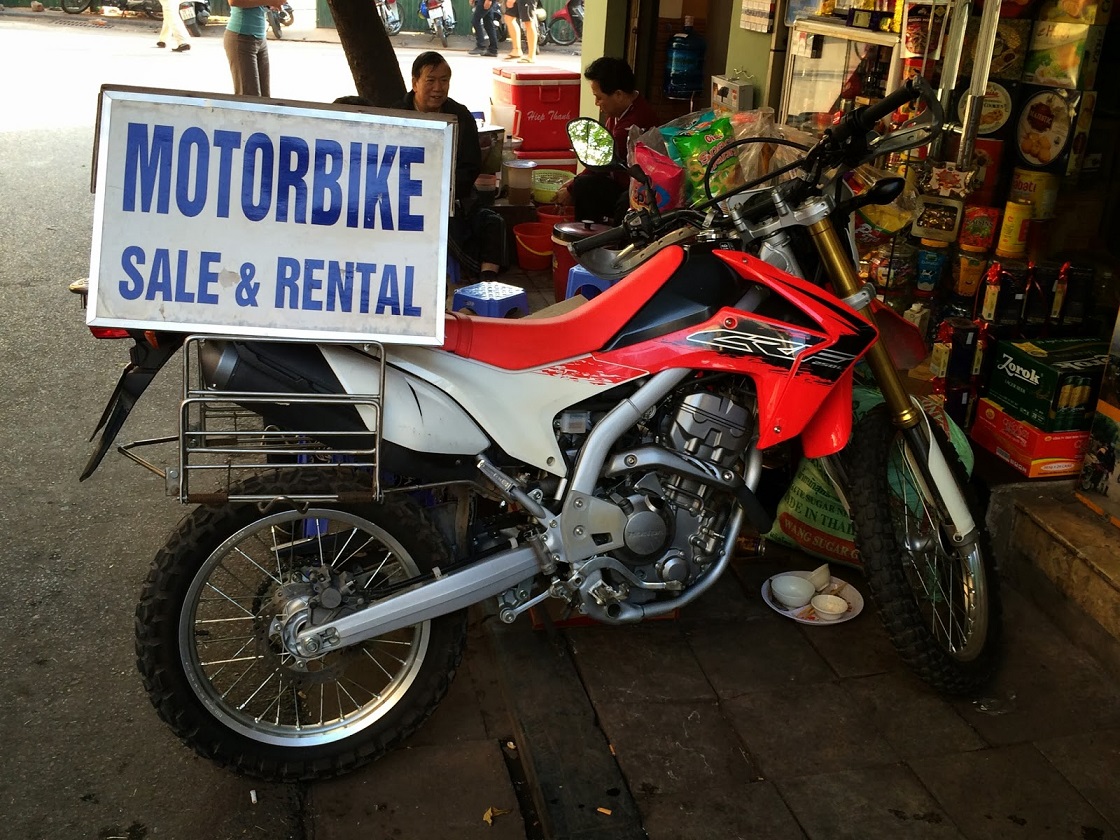
If you are heading to Vietnam soon you will probably have given thought to traveling this beautiful country by motorbike. By having your own means of transport it gives you a freedom to travel the country that by taking other means of transport simply doesn’t provide. I will never in my life forget the drive up to Da Lat, as we zigzagged up the mountain roads one eye on the buses whizzing by us and another on the beautiful vistas of the countryside. Eventually getting so high we basically drove into a cloud. It’s unlike any other country in the world and traveling by motorbike allows you to enjoy it like nothing else. So now I have given you a taste of what to expect let's get into the nitty-gritty of getting a bike and taking to the roads in Vietnam!
License
The first thing you will want to make sure you have is a license to drive. That means having your drivers license from your home country plus an International Drivers Permit. These are valid in over 100 countries, are valid for a year and cost roughly $10. Some people will claim that you don’t need a license to ride a motorbike in Vietnam but you do so at your own pearl! You should follow the laws of any country that you are traveling in and a valid driver license is the law. If you find yourself in an accident your insurance will not cover you and trip to the hospital is not cheap in Vietnam.
Buying a bike or rent?
It really depends on how long you expect to stay in Vietnam. If you are moving here for an extended period, say 6+ months buying is, of course, the better option, and if this is the case I would buy new. If you are traveling for over a month what many people will do is buy a bike in HCMC or Hanoi from a fellow traveler or one of the many used motorbike dealers. They will then sell it when they reach their destination, buying a used bike can cost as little as $150, however you should road test any bike you buy no matter who it is you buy it from, ask to take it for a ride and for an independent mechanic to check it over. If they refuse, refuse to buy. If you are renting I would suggest renting for only a small part of the journey, for instance, the trip from Da Nang to Hue. You will be able to rent a bike in Da Nang and drop it off in Hue, this is a very convenient way to ride around the country without the hassle of buying the bike.
Safety
Roads in Vietnam can be chaotic to put it lightly! When you first arrive you will be amazed at what some of the drivers will attempt on the busy roads of HCMC or Hanoi. Don’t worry though, there is a rhythm to the madness. Once you understand the road rules of Vietnam and they do have rules. You will feel a lot safer and calmer on the roads. Essentially the right-hand side is reserved for the slowest vehicles, pedal bikes, motorbikes etc and as you go further left this is for the cars and for people looking to overtake. Don’t try and overtake someone on the right-hand side! They will not expect it and could lead to crashes. Always get your bike checked by a mechanic and get it serviced every 200 miles or so. You want the oil checked, the wheels and the brakes. This will cost $5 depending on the city you are in. Traveling at night can be dangerous especially once you get on to Highway 1 the main highway in the country. The buses and cargo that use the highway can be a terrifying prospect for a novice driver I would highly suggest not to travel at night on the highway.
Planning your trip
Which takes us to our next point. Planning your trip. Traveling from HCMC north to Hanoi or vice versa is a well-traveled path. It is relatively easy even for a novice to find your way around Vietnam. Street signs are abundant and generally, the flow of traffic will lead you to the next big city. One thing to note is to plan your journey ahead of time. Give yourself an extra hour over the Google Maps time to get there and book accommodation ahead of time. Make sure you regularly fill up with gas. And finally, travel with companions it provides extra safety and it’s going to be whole lot more fun!
Are you a UK citizen and heading to Vietnam?
If you are from the UK and heading to Vietnam there are a number of options for obtaining a visa. If your stay is under 15 days you are exempt from getting a visa, simply show up with your passport and a flight ticket showing that you will be leaving in under 15 days and on you go.
If you are staying for longer you can either get a tourist visa or you may be coming to work and thus your choices are different.
Top Ten Things to do in Ho Chi Minh City
Ho Chi Minh City, formerly known as Saigon is a bustling and frantic epicentre of Vietnamese culture and history. Somewhat overwhelming but nevertheless charming, the popular Vietnamese destination allows you to dive completely into local life. Roads packed with scooters and streets filled with restaurants and cafes, you’ll find delicious Vietnamese cuisine on every corner. The city offers up beautiful French colonial architecture, vast green parks and busy markets. With so much to do in one place, it’s difficult to know where to start, here are ten things to do whilst visiting the city.
1. Cu Chi Tunnels
An opportunity not to be missed, the chance to experience how life would have been like for Vietnamese soldiers in 1948. The array of underground tunnels is over 120km and visitors are able to fit through the tiny tunnels. Located around an hour from Ho Chi Minh city, this activity is very popular with history buffs.
2. Bitexco Financial Tower and Sky Deck
If you’re looking to get a panoramic view of the city, Bitexcto’s Financial Tower is a 68-storey skyscraper filled with offices, restaurants, shops and even a helipad. The Sky Deck is open daily and offers up spectacular views, binoculars are also available to use.
3. Reunification Palace
The former base of Vietnamese General Ngo Dinh Diem, the palace has been frozen in time making it feel like you’ve walked into 1975. A popular tourist spot for visitors, two of the original tanks are also present in the grounds. Free guided tour guides are available in a number of languages.
4. Ho Chi Minh Square
Located in the city centre, the Ho Chi Minh square is a friendly, green and busy area perfect for relaxing and catching up with friends. In the square, you’ll find the statue of Uncle Ho and the City Hall. Especially beautiful at night time be sure to visit as the sun sets to see the square lit up. With restaurants and cafes up and down the square, it’s packed with both tourists and locals.
5. Ben Thanh Market
Found in District 1, the large marketplace is full of souvenirs, food, crafts and art. Overwhelming at times and easy to get lost in, it’s best to visit the market in the cooler time of the day. One of Ho Chi Minh’s most popular tourist posts, the market is very well known and gives you an insight into local Vietnamese life.
6. Jade Emperor Pagoda
Built at the beginning of the twentieth century by the Cantonese community, the beautiful temple is a calm sanctuary away from the hustle and bustle of the city. Escape the chaotic streets with a visit to one of the most popular shrines in Ho Chi Minh. Visitors are welcome to make a donation.
7. Central Post Office
The functioning post office is the epitome of Ho Chi Minh’s spectacular french-colonial architecture. Opening in 1891, the building is a sight to behold from all angles, as well as admiring the design you can also buy stamps and send letters. Definitely a spot for history lovers.
8. Notre Dame Cathedral
Just across the square from Ho Chi Minh’s Central Post Office is Notre Dame Cathedral. Tick off two must-see spots in one afternoon in downtown Saigon. Built by French colonists in the late nineteenth century, the cathedral is currently undergoing some renovation work but masses are still held weekly for visitors.
9. War Remnants Museum
A very informative and eye-opening experience, the museum shows a detailed and shocking account of the Vietnam War including graphic photographs and military equipment. Definitely not for the faint-hearted, the displays on show exhibit the brutality of the war.
10. Golden Dragon Water Puppet Theatre
A very popular option for tourists, the traditional water puppet shows are usually accompanied by a live orchestras playing old-fashioned music. The shows are both entertaining and offer a glimpse into Vietnamese culture. Be sure to book in advance as the shows are very popular and get booked up quickly.
Solo Travel Guide to Vietnam
If you have been dying to travel to Vietnam, yet you have no one to go with you, why don't you visit the country on your own? Vietnam is a relatively safe country to visit for all kinds of travelers. For as long as you exercise precaution and you come prepared, traveling to the country on your own should not be a problem. Here’s a solo travel guide to Vietnam for those who are planning to visit the country on their own.
Transportation
It's easy to get around Vietnam on your own. Riding a motorbike is the most popular way to get around the country especially in big cities like Hanoi and Ho Chi Minh. If you have an International driving license, you can rent a motorbike and navigate the city on your own. But if you are not comfortable with driving the motorbike yourself, you can join motorbike tours, where you can hop at the back of a motorbike and your driver can take you around for a tour of the local attractions.
There are also taxis available in the major cities that you can hire for a minimal fee. If you want to explore the countryside and venture into the provinces, taking the train is a good idea. But if you have a limited time and you’re not comfortable with the idea of taking an overnight train, you can book a flight at one of the domestic airlines of Vietnam.
What to do
There are plenty of things to do in Vietnam for solo travelers. One of the things that you should not miss is to experience the local street food in Vietnam. In fact, your trip to the country would not be complete without sampling the most delicious local specialties such as the Banh Mi, Banh Xeo, Com Tam, Cang Cua and of course, a piping hot bowl of Pho!
You can also join walking tours hosted by a local where you get to explore the city along with other travelers. It’s a great way to learn about the country from a local perspective and a great opportunity to meet new friends, too!
Clothing
If you're visiting holy places, such as temples and national monuments, avoid wearing very revealing clothes. As a tourist, it's important that you respect the country's local culture and customs. Women can wear jeans, long skirts, and long dresses but avoid wearing very tiny shorts and revealing tops.
On the other hand, if you're going to the coastal areas to frolic in the beach, you are free to wear a swimsuit or any summer clothing. But if you’re heading north, where the temperature is often colder, wear some layers or perhaps a long sleeved shirt. It’s a good idea to find out what the weather is like on your date of visit so you’ll know what clothes to bring. Nevertheless, shopping for new clothes in Vietnam is cheap, so there’s nothing to worry if in case you ended up bringing wrong types of clothing.
Come Prepared
It's important that you come prepared on your trip to Vietnam, especially since you are travelling on your own. When preparing for your Vietnam trip, make sure you do a bit of research about the country, including its laws and customs. Above all, make sure you know how to obtain a visa to the country. The visa requirements will vary from one country to another and if you want to know the visa requirements for your country, do check out https://www.visa-vietnam.org/check-visa-requirements. Keep in mind that in all cases, your passport should be valid for at least six months prior to entering the country.
Vietnam is a wonderful country to visit. It's safe even for solo female travelers. Just make sure you exercise precaution just like you would in every country that you visit.
Relax in Hội An
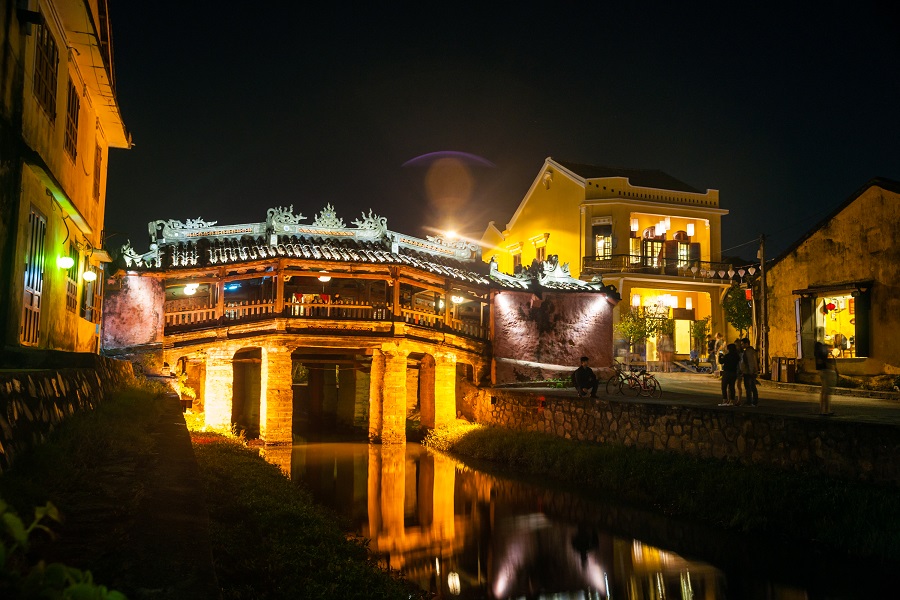
When you first arrive in Hoi An you will be struck by the sun-washed colours of this historic city. From the yellow stone buildings that adorn this ancient town to the vibrant lanterns that hang from them to that cool blue sea as the backdrop, its a city that invites you in. A stroll through this town and it's beautifully preserved buildings will reveal much about Vietnam itself. Famous for its food and its tailoring, it is one of the country’s most tourist-friendly cities, but don't think for one minute it has lost any of its authenticity.
A colourful history.
Hoi An’s history is the history of Vietnam. Originally under the control of the Cham Kingdom from the 7th and 10th centuries. It was the commercial port for their empire and it is at this time that the nearby Hindu temples My Son were built. Due to its central nature and easy access to the oceans many people arrived here, traders from China, Japan, and Europe used this port to do much of their business. The last major settlement was from the Vietnamese who populated the area during the Nguyen Dynasty (1802–1945). Hoi An’s influence as a major trading port fell away as political and economic factors meant that trade went north to Da Nang and south to Saigon. Thankfully, because of this and escaping the worst of the destruction caused during the “American War”, Hoi An and the beautiful buildings within have been preserved over the centuries.
Visit the Old Town.
The Old Town of Hoi An is its main attraction and where most of the hotels and hostels are situated. It is here where you will find the world famous tailors that line many of the streets. You can have almost any garment made including shoes. It has a long culture of being able to produce copies of clothes just provide a picture and they will make it! You must have your wits about you though, be prepared to haggle and shop around to get a product you are happy with.
The Old Town is also home to many of the attractions that make Hoi An famous including the Japanese Bridge, the famous Chinese trader houses of the Duc An and Tan Ky families and the Central Market. Return at night when the streets come alive, the colourful lanterns overhead and enjoy some bia hơi(locally brewed beer) at a street restaurant.
Be warned: There is a daily fee to visit these attractions however that is not a daily fee to visit the Old City. Many visitors find themselves paying and not realising this. One ticket covers a number of the main attractions in the town.
Learn to cook.
Food is such a big part of any trip to Vietnam and in my opinion, Hoi An has the best food in all of the country, with influences from the traders of Japan, China, France, and Portugal. The balance of flavours and quality of the produce are the best in the country. A trip to the Central Market is a highlight of any day in Hoi An - various street restaurants, each cooking just one or two dishes you will find yourself returning time and again to these friendly chefs. This is also the perfect opportunity for any budding chefs to take a class. Spend an afternoon learning all about the ingredients and cooking methods and eating along the way.
The dish most associated with Hoi An is Cau Lao. A specialty from the 17th century, it’s a dish with many peculiar secrets. You will be told that the brown colour of the noodles comes from the lye water. Lye water that is made with the ash from the wood from the nearby Cham Islands. The water that the noodles are cooked in must also be sourced from a secret well that is outside the town. Whatever the truth is, this dish is amazing. Long chewy noodles served with pork, fresh herbs, spices and French style croutons in a light broth. I am licking my lips just thinking about it.
Breathe the air.
After the dizzying traffic of Saigon or Hanoi, you will love the fact that the streets of Hoi An are so walkable. This is partly due to the Old Town banning cars from the roads. Hoi An is a great city to rent a bike and cycle around, breathe in the glorious sea air and head out into the countryside. Where you will be met by friendly locals, stunning vistas and the occasional ox by the roadside.
Are you a UK citizen and heading to Vietnam?
If you are from the UK and heading to Vietnam there are a number of options to obtaining a visa. If your stay is under 15 days you are exempt from getting a visa, simply show up with your passport and a flight ticket showing that you will be leaving in under 15 days and on you go.
If you are staying for longer you can either get a tourist visa on arrival or you may be coming to do business with a company in Vietnam and then you will need to get a business visa.
UK passport holders can apply online to get e-visa (30 days single entry) or apply online for visa on arrival if stay more than 30 days or want to get multiple entries.
If you want to get your visa beforehand at the embassy of Vietnam, please contact your Vietnamese Embassy for more information.
A traveller’s guide to visiting Hanoi
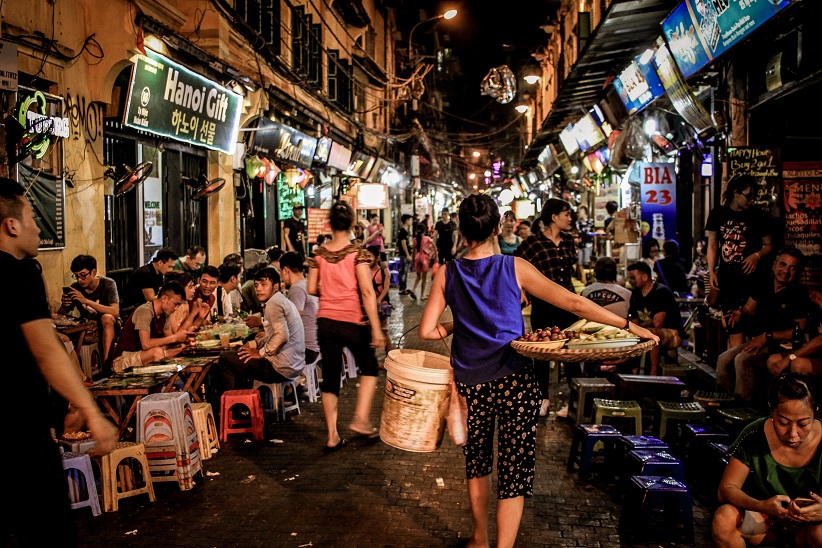
Hanoi is a thousand year-old city soaked in ancient culture and old-world charm. The 19th century French occupation contributed to the city’s colonial legacy. Don’t be surprised to find lemon-coloured French heritage buildings and French cuisine across Hanoi. Today, Hanoi is a charming blend of the Western influence and Eastern culture. This is reflected in the distinctive lifestyles and the cuisine that represents modern Vietnam. With a multi-cultural mosaic of people, settlements and struggles over time, Hanoi is certainly a city of contrasts.
Ha Noi – the “city within the river’s bend”
The old city of Thang Long was named Ha Noi sometime during the 19th century. The name takes after the strategic location at the bend of the Red River. Like most ancient cities in Asia, Hanoi too resonates of tales from the past. Steeped in rich history and culture, it is the story of an old and spiritual city striving to match rapid urbanisation and ultra-modern trends.
What to see
Hanoi truly offers the diversity of Vietnam at a single location. Most attractions are scattered around the city, easily accessed on foot or the cyclo. At the same time, you can make the best of the city’s proximity to some of the most beautiful karst locations on earth. The Halong Bay, Hoa Lu and Tam Coc; are close-by and make for excellent day tours.
Ho Chi Minh Mausoleum - This is Hanoi’s iconic attraction. It is built along the lines of Lenin’s mausoleum, in honour of Vietnam’s national idol, President Ho Chi Minh.
One Pillar Pagoda - Close-by is another Hanoi icon – the One Pillar Pagoda. This is a shrine dedicated to the Goddess of Mercy, Quan Am. Built upon a concrete pillar and designed like a lotus to symbolise “enlightenment” in Buddhism, it is a popular place of reverence.
The National Museum of Vietnamese History - This museum is a must-visit for travellers who want to know more about the ancient history of Vietnam. The building itself is a beautiful colonial structure, with many carefully preserved exhibits.
Vietnam Museum of Ethnology - This is a museum with a difference. Although it lies outside the city to its northwest, it is worth taking the detour. The museum is dedicated to Vietnam’s ethnic groups; and houses many arts, crafts and even dwellings showcasing tribal life.
Hoan Kiem Lake and Ngoc Son Temple - At the heart of Hanoi is Hoan Kiem Lake, with its own quaint legend to charm you. The highlight of this park is the Ngoc Son Temple in the centre of the lake, reached by a red classic bridge.
The Perfume Pagoda - Although at a distance of 60 km from Hanoi, the Perfume Pagoda is a must-visit. It is a 15th century Buddhist temple built into the mountain slope surrounded by some of the most scenic countryside.
Temple of Literature - One of the few remaining ancient centres of learning in Asia, The Temple of Literature is a beautiful, well-preserved building dedicated to the scholar Confucius and his works.
Lotte Tower Observation Deck - East of the lake is this amazing observation deck on the 65th floor. Take in 360-degree views of Hanoi and walk up to the rooftop bar on the 67th floor for a drink.
What to do
There is so much to do at Hanoi, that it makes sense to plan your itinerary separating in-city attractions from others close-by. Begin by touring the city and its attractions during the day, and wind up with some great entertainment, the Vietnamese way.
Take a walkabout - Most attractions are within walking distance, and provide a wonderful opportunity to explore the more interesting sections like the “quintessentially Vietnam”, Old Quarter.
Go for a guided street food tour – Take a guided tour of Vietnamese street food. Sample the most authentic Vietnamese cuisine and French patisserie. Take a cookery class or learn to wield the chopstick!
Watch a water puppet theatre - Watch Vietnam’s most traditional folk entertainment, the water puppet show, that tells tales of Vietnamese history and rural life.
Go shopping - Shop for Vietnamese silk at Hang Gai, or pick up ethnic Vietnamese handicrafts at street stalls. Visit the Dong Xuan Market for trendy fashion wear at bargain prices.
Watch a performance at the Hanoi Opera House - One of the best forms of night entertainment is the Vietnamese concert. Watch a drama, ballet, classic opera or dance performance at the Hanoi Opera House.
Take a Hoa Lu and Tam Coc countryside tour – Visit the beautiful countryside dotted with 10th-century temples. Follow up with a scenic boat ride down the Ngo Dong River past paddy fields. Explore the limestone caves of Tam Coc, and capture it all with your camera.
Enjoy a Halong Bay islands and cave tour – Explore the magic of the karst seascape on a traditional boat. Cruise the islands, enjoy fresh seafood lunch and explore the caves. This can be one of your most memorable travel experiences.